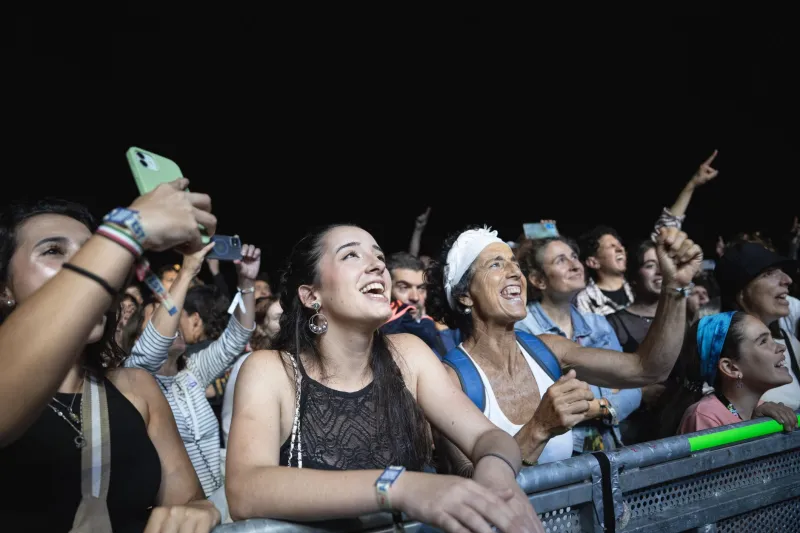
There used to be a very specific kind of fan. You probably know the type — maybe you were the type. The one who discovered the band before the major label deal, who watched the indie film before it got the wide release, who read the book before the adaptation announcement. And the moment the thing they loved showed up on a Billboard chart or a Netflix homepage, something curdled. The thing was theirs. And now it belonged to everyone.
"Sellout" was the word. It covered a lot of ground.
That word has gone remarkably quiet lately. And I'd argue that's not a loss — it's one of the more interesting cultural evolutions of the last decade.
The Old Gatekeeping Logic
To understand why mainstream crossover used to feel like a betrayal, you have to understand what scarcity did to fandom. Pre-internet, discovering something niche required actual effort — digging through record store bins, catching a late-night cable premiere, getting a recommendation from that one friend who seemed to exist slightly outside of normal cultural time. That effort felt like investment, and investment created ownership.
When something obscure went mainstream, the implicit social currency of having been there first evaporated. The thing you used to explain to people now needed no explanation. And somehow, that felt like a loss even when nothing about the actual art had changed.
There was also a sincere version of this concern — a legitimate worry that commercial success would compromise creative integrity. That the label would demand a poppier single, that the studio would sand off the weird edges, that the thing you loved would become a version of itself designed by committee.
Sometimes that happened. Sometimes it still does. But as a blanket cultural assumption, the "going mainstream ruins everything" thesis has aged pretty poorly.
What Changed, and Why
Social media didn't just change how we discover entertainment — it changed what discovery means. When a show you love starts trending on a Tuesday night, your first instinct now is often to post about it, not to mourn it. The algorithm rewards your taste in real time. The thing you've been recommending to everyone finally has a trailer people are clicking on.
There's a generational dimension here, too. Millennials and Gen Z fans grew up in an environment where cultural ubiquity and quality were never mutually exclusive — where Breaking Bad could be the best show on television and the most-talked-about show on television, where Beyoncé could be both a critical darling and a commercial juggernaut. The idea that popularity signals compromise just doesn't hold up against the evidence of the last fifteen years.
And frankly? Fans have gotten more sophisticated about what "authenticity" actually means. It used to mean staying small. Now it's more likely to mean staying true to a creative vision regardless of scale. Taylor Swift building her own label infrastructure. A podcast going wide on Spotify but keeping its exact same format and voice. A YouTube creator crossing over to mainstream press coverage without changing a single thing about their content.
Mainstream arrival stopped being the test of authenticity. How you arrive became the test.
The New Fan Math
Here's something that would have been almost unthinkable in, say, 2003: fans actively campaigning for their favorite niche content to reach bigger audiences. Not just tolerating mainstream crossover — organizing for it.
K-pop fandoms figured this out years ago. Coordinated streaming campaigns, bulk purchases timed for chart eligibility, social media flood tactics designed to push artists into spaces they'd never reached before. The goal wasn't to keep the thing small and precious. The goal was to make the rest of the world catch up.
That energy has spread well beyond K-pop. Readers of a beloved small-press novel lobbying for an adaptation. Fans of a cult TV show running "save our show" campaigns to Netflix. Listeners of an indie artist flooding radio request lines. The gatekeeping impulse — this is ours and we don't want to share it — has, in many fan communities, been replaced by something closer to evangelical enthusiasm. You need to experience this. All of you.
The Part That's Still Worth Watching
None of this means the old concerns were entirely baseless. Creative compromise under commercial pressure is a real thing that still happens. The difference is that fans now tend to judge it case by case rather than treating mainstream arrival as automatically suspect.
Did the thing change in ways that matter? Did the creator make choices that diluted what made the work interesting? Those are fair questions. But "a lot more people are watching it now" stopped being evidence of anything on its own.
What's also worth noting is that wider audiences often bring more resources, more fan creativity, more community infrastructure. When a niche show picks up a mass following, the fan wiki gets better. The convention circuit expands. The merchandise improves. The creator has more leverage to take creative risks on the next project. Scale, handled well, can be generative.
What This Means for How We Consume
If you're someone who still feels a little twinge when your favorite underground thing breaks through — that feeling is human and it's okay. There's real nostalgia in being part of a small, passionate community before it gets crowded.
But it might be worth examining whether that twinge is about the art or about the social positioning. Because here at The Andy Zone, we're pretty firmly in the camp that good entertainment deserves the biggest possible room. The more people who find the thing you love, the more conversations you get to have about it. The more the creator is supported to keep making it.
The gatekeeping era had its logic. But the door being open to everyone? That's not a betrayal. That's just the show getting the audience it always deserved.