Millions of Fans, One Feeling: The Strange Magic of Celebrities Who Make You Feel Seen
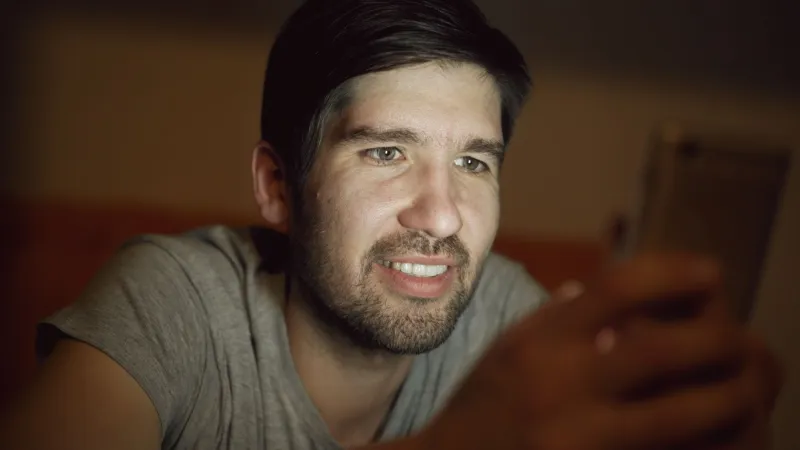
You're scrolling through your feed at 11 p.m., half-asleep, when a video pops up. Your favorite creator is sitting in what looks like their actual bedroom, no ring light, no makeup team, just them talking directly into the camera like they're catching up with an old friend. They mention something you've been feeling for weeks — something you couldn't even put into words. And for a second, you think: they get me.
Here's the thing, though. Somewhere across the country, another few hundred thousand people just had the exact same thought.
This is the friendship paradox of modern entertainment — and it's one of the most fascinating psychological tricks happening in pop culture right now.
The Illusion Is Real (Even When You Know It's an Illusion)
Psychologists have a term for this: parasocial relationships. It sounds clinical, but the experience is anything but. These are the one-sided emotional bonds we form with public figures — celebrities, creators, athletes, podcasters — where we feel genuine warmth, loyalty, and familiarity toward someone who has no idea we exist.
The concept isn't new. Researchers first started writing about it back in the 1950s when television was turning strangers into household names. But what's changed dramatically in the social media era is the intensity and specificity of those bonds. Back then, you watched a star on a screen and maybe felt a general fondness. Today, you know what they had for breakfast, how they felt about their last relationship, and which corner of their apartment gets the best afternoon light.
That level of perceived access rewires how our brains process the relationship. We start filing these people in the same mental folder as actual friends.
The Architecture of Manufactured Intimacy
Here's where it gets genuinely interesting — and maybe a little uncomfortable. The most successful entertainers and creators today aren't just talented. They're architects of intimacy. They understand, either intuitively or through very deliberate strategy, exactly how to make millions of people feel like they're getting something exclusive.
Think about the tools in the toolkit. There's the confessional tone — the voice that sounds like someone is telling you something they don't normally share. There's the direct address, the constant "you guys" and "the community" language that collapses the distance between performer and audience. There's strategic vulnerability: the right amount of personal struggle shared at the right moment to make fans feel trusted.
And then there's what might be the most powerful move of all — specificity. When a creator references a niche feeling, an inside joke from three months ago, or a detail that only their most dedicated fans would catch, it triggers something in the brain that reads as recognition. They remembered. They thought of us.
They did. They just thought of several million of you simultaneously.
Why Your Brain Doesn't Care About the Math
Here's the psychological kicker: your brain genuinely cannot process the difference between a real friendship and a well-constructed parasocial one. The same neural pathways that light up when you get a text from your best friend also activate when your favorite podcaster says your name on air, or when a musician responds to a fan comment in a way that sounds like they actually read it.
Evolution didn't prepare us for parasocial relationships because they didn't exist until very recently in human history. Our social brains evolved to interpret consistent exposure, emotional familiarity, and apparent vulnerability as signals of real closeness. Celebrities and creators who master these signals are essentially speaking fluent Brain — and the brain responds accordingly.
This isn't manipulation in the sinister sense, necessarily. Most creators genuinely do care about their audiences. But the feeling of personal connection is disproportionate to the actual relationship, almost by design.
The Andy Zone Angle: Why This Hits Different for Devoted Fans
For people who build their entertainment lives around specific artists, shows, or communities — the kind of fans who treat their media consumption as a genuine part of their identity — parasocial bonds run especially deep. When you've spent hundreds of hours with someone's work, their voice becomes part of your internal landscape. Their references become your references. Their aesthetic influences what you find beautiful.
That's not weakness or delusion. That's what it looks like when art actually lands.
The trick is holding both truths at once: the connection is real and it's shared with an enormous crowd. Your feelings are valid and they were partly engineered. The creator genuinely cares about their audience and they don't know your name.
None of those things cancel each other out.
The New Social Contract Between Fans and Celebrities
What's shifted in the past decade is that audiences have gotten increasingly sophisticated about this dynamic — and interestingly, that awareness hasn't weakened the bonds. If anything, it's created a new kind of mutual understanding.
Fans today largely know they're participating in a constructed intimacy. They know the behind-the-scenes "casual" video was probably filmed twice. They know the heartfelt post was likely reviewed by a team. And they engage anyway, because the emotional experience on their end is genuine regardless of the machinery behind it.
In return, audiences have started demanding more authenticity, more consistency, and more accountability from the figures they invest in. The parasocial contract has terms now. Break them — through hypocrisy, scandal, or just losing the thread of what made you compelling — and the connection evaporates fast.
It turns out that even one-sided relationships have standards.
So What Do You Do With All This?
Knowing the mechanics doesn't have to ruin anything. If anything, understanding why your favorite creator makes you feel understood can deepen your appreciation for the craft involved. It's genuinely hard to make millions of people feel personally seen. The ones who do it well are doing something remarkable.
Just keep a little space between the feeling and the fact. Enjoy the warmth of the connection. Engage with the community around it. Let the art do what art is supposed to do — make you feel less alone.
And if your favorite celebrity ever actually does learn your name? That part is yours for real.