When Your Hero Falls: Navigating the Emotional Wreckage of Celebrity Disillusionment
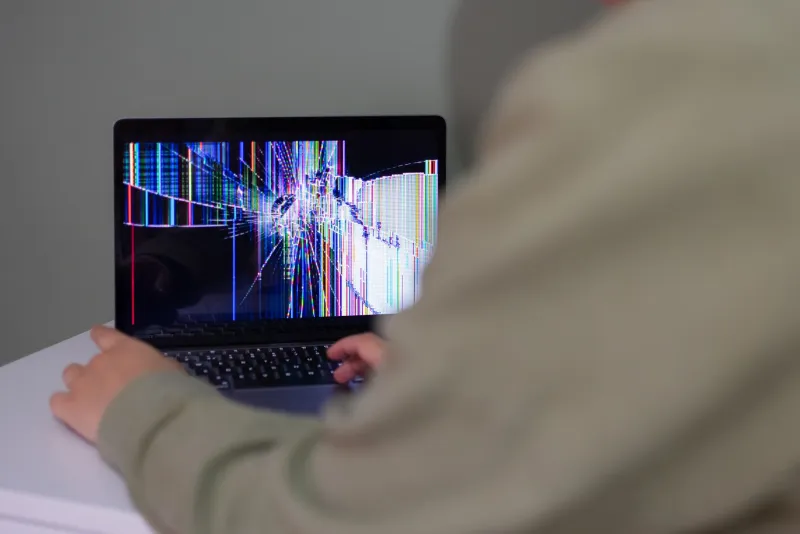
There's a specific kind of gut punch that doesn't have a great name yet. It's the feeling you get when someone you've spent years rooting for — someone whose music got you through a rough patch, whose interviews felt like conversations with a friend, whose work you've defended in comment sections more times than you can count — turns out to be something you didn't bargain for. Not just flawed in the relatable, human way. Actually, genuinely disappointing.
And suddenly you're sitting there wondering: Was any of it real? And what does it say about me that I didn't see it?
Welcome to one of the stranger emotional experiences modern entertainment culture has to offer.
Why It Hits So Hard
Here at The Andy Zone, we've talked before about the psychology behind fan-celebrity bonds — that whole parasocial relationship thing where your brain genuinely registers a one-sided connection as emotionally meaningful. And that's not a character flaw. It's just how humans work. We're wired to form attachments, and when someone's voice, face, or creative output has been a consistent presence in your life, your nervous system doesn't really distinguish between "person I know" and "person I've consumed content about for six years."
That's exactly why the disillusionment hits like a breakup. Because in some neurological sense, it kind of is one.
Psychologists who study parasocial relationships point out that fans often unconsciously project their own values onto the entertainers they admire. You're not just a fan of their work — you've built a small but genuine belief system around who you think they are. When that belief system gets cracked, the grief isn't just about them. It's about the version of yourself that believed in them.
The Whiplash Is Real
What makes celebrity disillusionment particularly disorienting is the speed at which it can happen. One day you're streaming their album on repeat. The next, a story drops, a video surfaces, or a pattern of behavior gets documented — and the mental whiplash is almost physical.
Fans describe this experience in strikingly similar terms: a period of denial ("There must be context we're missing"), followed by bargaining ("But their art is still good, right?"), and sometimes landing in a kind of low-grade grief that's hard to explain to people who weren't as invested.
The complicating factor is that the internet doesn't let you process privately. The moment something breaks about a celebrity, the discourse is instant and everywhere. You're expected to have a take before you've even had time to feel your feelings. Stans are defending. Critics are piling on. And you're somewhere in the middle, genuinely unsure what you think — which, in the court of public opinion, somehow reads as suspicious.
So What Do You Actually Do With This?
Let's get practical, because this is a space for real talk.
Give yourself permission to grieve without shame. The fact that you feel something doesn't mean you were naive or foolish. It means you were emotionally present, which is a feature, not a bug. Dismissing your own reaction with "it's just a celebrity" doesn't help you process it — it just buries it.
Separate the catalog from the person — but don't force it. The "separate the art from the artist" conversation is genuinely complicated, and anyone who tells you there's one right answer is oversimplifying. For some people, listening to a certain album after a specific revelation becomes impossible. For others, the work retains its meaning independent of who made it. Both of those responses are valid. What's not productive is letting someone else's framework override your own honest reaction.
Audit what you were actually connecting with. Sometimes the most useful thing you can do is trace back what drew you to this person's work in the first place. Was it a specific feeling their music gave you? A perspective their content offered? That thing — that actual emotional or intellectual experience — doesn't disappear just because the creator turned out to be complicated. You can reclaim it.
Find the community that's processing, not just performing. In the wake of a celebrity fall from grace, fan spaces can get loud and ugly fast. Seek out the conversations that are actually grappling with nuance rather than just demanding you pick a side. Those discussions exist, even if they're quieter.
The Identity Piece Nobody Talks About
Here's what often gets glossed over in the hot-take cycle: when you've built part of your entertainment identity around a creator — when you've recommended them to friends, worn their merch, made them part of how you describe yourself to other people — their public unraveling becomes a small identity crisis for you, too.
This is normal. And it's actually an invitation.
The fans who come out of these experiences with the most clarity are usually the ones who use the discomfort to get more intentional about what they're actually looking for from entertainment. Not "who should I stan next" but genuinely: What do I want my relationship with art and creators to look like? What level of personal knowledge about a creator's life do I actually need? How much of my emotional energy do I want to invest in people I'll never meet?
These aren't rhetorical questions. They're worth sitting with.
Moving Forward Without Pretending It Didn't Happen
You don't have to arrive at a clean resolution. Real life doesn't work that way, and neither does fandom. You might decide to keep engaging with someone's work with new eyes and new skepticism. You might step back entirely. You might land somewhere in between — appreciating old favorites while declining to follow new projects.
What you probably shouldn't do is white-knuckle yourself into either extreme: forcing yourself to keep being a fan because you've invested too much to quit, or performing a dramatic cancellation because that's what the moment seems to demand.
Your entertainment life is yours. The Andy Zone has always been built on that idea — that what you watch, listen to, and invest in emotionally is a personal thing, not a public performance. Celebrity disappointments are going to keep happening. The internet is going to keep making them louder than they need to be.
How you process them, though? That's still entirely up to you.