Why Fans Are Building Their Own Worlds Instead of Joining Someone Else's
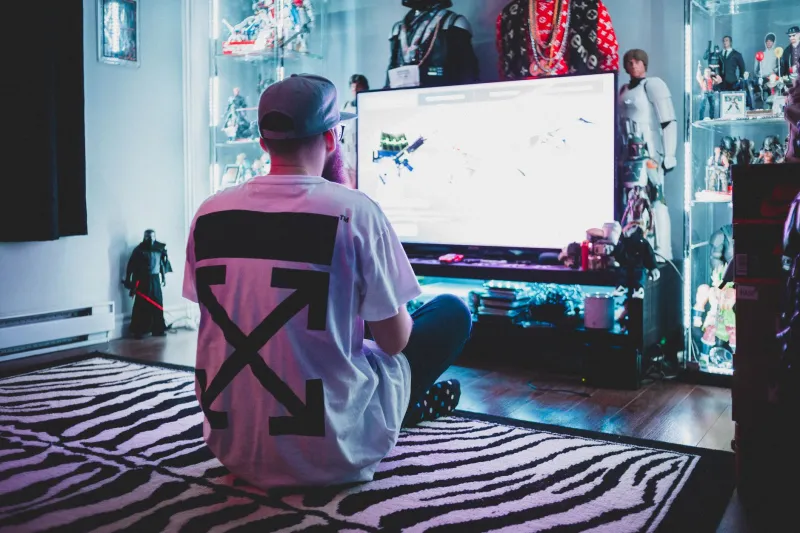
Not long ago, being a fan meant showing up where the content was. You watched the show on the network's schedule, you bought the magazine at the newsstand, you logged onto the official forum and played by the rules. The infrastructure of fandom was built by someone else, and you moved into it.
That model is crumbling — not dramatically, not all at once, but steadily and unmistakably. And what's replacing it is something more personal, more deliberate, and honestly more interesting.
Fans are building their own zones.
The Problem With the Feed
To understand why this is happening, you have to understand what went wrong with the dominant model.
The major platforms — your Twitters, your TikToks, your Instagrams, your YouTube homepages — were built around engagement optimization. The algorithm's job is not to show you what you love most. Its job is to show you what will keep you on the platform longest, which turns out to be a subtly different thing. Outrage keeps you scrolling. Novelty keeps you clicking. Controversy keeps you commenting.
For casual users, this is just background noise. For devoted fans — people who have genuine, deep investment in specific entertainment worlds — it becomes actively corrosive. You come to the platform to connect with the thing you love and you leave having spent 45 minutes in arguments about something you don't even care about.
The feed is a commons, and commons get loud.
What a Personal Entertainment Zone Actually Looks Like
The move away from algorithmic feeds toward curated personal spaces takes different forms for different people, but the through line is always the same: intentional curation over passive consumption.
For some people, it looks like a personal newsletter where they collect and contextualize everything they're watching, listening to, and loving — sent to a small list of people who actually opted in. For others, it's a Discord server built around a specific niche rather than a massive fandom — not "all Marvel fans" but "people who care specifically about the cosmic storylines and want to have actual conversations about them."
For others still, it's something closer to a personal media dashboard — bookmarks, RSS feeds, curated playlists, saved articles — that functions as a private entertainment hub. A home base. A zone.
The common thread isn't the technology. It's the ownership. These are spaces that someone built according to their own taste, their own rules, and their own sense of what makes engagement worthwhile.
The Andy Zone Philosophy in Real Life
This site has always been built on a specific idea: that entertainment is more meaningful when it's personal. Not just consumed, but claimed. Not just watched, but lived in.
That philosophy turns out to be right on time. What we're seeing across fan culture right now is a mass migration toward that same instinct. People are tired of being audience members in someone else's content strategy. They want to be the architects of their own entertainment experience.
And here's what's interesting — when fans build their own zones, something unexpected happens. The community that forms around a curated personal space is almost always more meaningful than the community that forms on a mass platform. Smaller numbers, deeper investment. Less virality, more actual conversation. Less performance, more genuine connection.
The big platforms optimized for reach. Personal zones optimize for resonance. Those are not the same thing.
Curation as a Creative Act
There's something worth naming here that doesn't get enough credit: curation is a creative skill. Building a personal entertainment ecosystem — deciding what belongs, what doesn't, what connects to what, what the overall aesthetic or sensibility is — requires real taste and real effort.
This isn't just playlist-making, though playlists are part of it. It's closer to editing. The best curators have a point of view. They're not just collecting things they like; they're building an argument about what matters and why. Follow someone with genuine curatorial sensibility and you'll often discover more worthwhile things than you would from any algorithm, because there's an actual human intelligence behind the selections.
This is why the most influential fan accounts, Substacks, and community spaces often feel more like editorial voices than fan pages. They're not just aggregating — they're interpreting. And their audiences don't just consume the content; they adopt the frame.
The Social Network Comparison Holds Up
Here's a provocative way to think about it: personal entertainment hubs are starting to function the way social networks used to, before social networks got too big and weird.
Remember when following someone on Tumblr or early Twitter actually meant something? When a recommendation from someone in your specific online corner carried real weight because you knew their taste and trusted their judgment? That intimacy collapsed under scale. The networks grew, the noise increased, and the signal got buried.
Personal entertainment zones are, in part, an attempt to rebuild that signal. To create spaces where a recommendation means something because it comes from a real sensibility rather than a trending algorithm. To find community around genuine shared taste rather than shared outrage.
The fans who are building these spaces aren't anti-social. They're anti-noise. There's a difference.
What This Means for the Future of Fandom
If this trend continues — and there's no real reason to think it won't — the future of fandom looks less like massive online communities and more like a constellation of smaller, more intentional ones. Less Reddit megaforum, more carefully tended personal universe.
This has implications for how entertainment gets discovered, how fan communities sustain themselves, and how the relationship between creators and audiences evolves. Creators who understand this are already adapting — building direct relationships with fans through newsletters, Patreon tiers, and community platforms rather than relying on algorithmic distribution.
But the more interesting development is fan-led. The people who used to just show up and participate are increasingly the ones setting the terms of engagement. They're building the infrastructure. They're defining the culture.
They're not joining someone else's zone anymore.
They're building their own.