Gone But Not Forgotten: The Underground World Keeping Canceled Shows Alive
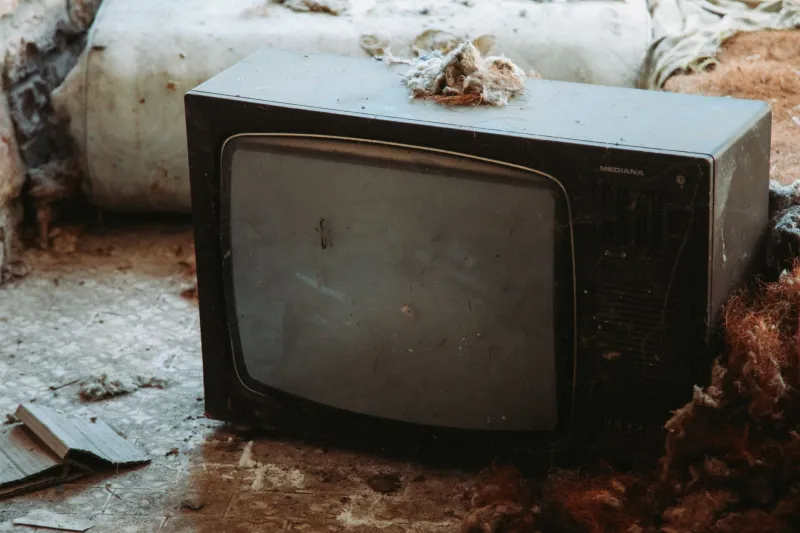
There's a specific kind of grief that doesn't have a name yet, but you know it if you've felt it. You open up your streaming app to rewatch something you love — something that got you through a rough patch, something you've recommended to everyone you know — and it's just gone. No warning. No announcement. Just a blank space where your show used to be.
Or maybe the show got canceled before it could finish its story. One cliffhanger, no resolution, no closure. Just... end of transmission.
This is the streaming graveyard. And it is absolutely full.
The Quiet Violence of Platform Removal
Streaming was supposed to be the answer. No more waiting for reruns. No more hoping your local station carried the show. Everything, always, available. Except that's not quite how it works, is it?
Platforms pull content constantly — sometimes because licensing deals expire, sometimes because the show didn't perform the way the algorithm needed it to, sometimes because a merger happened and someone in a boardroom decided the catalog needed to be "streamlined." HBO Max famously removed dozens of shows in 2022, including some that had been produced specifically for the platform. Just gone. In some cases, not even available to purchase.
For fans, this isn't a business decision — it's erasure. These aren't just files on a server. They're things people watched during hospital stays, during breakups, during the pandemic, during the specific 3 a.m. when they really needed something familiar. Pulling them without ceremony feels like tearing a page out of someone's personal history.
And the response from fans has been anything but passive.
The Archivists Who Refuse to Let Go
All over the internet, in corners that the algorithm doesn't really surface, there are communities dedicated entirely to preserving the shows that platforms abandoned. Fan wikis with exhaustive episode guides. Archive sites with scripts, production notes, and behind-the-scenes content. Discord servers where members share old recordings, compare streaming quality, and track down physical media copies like they're hunting artifacts.
This is not casual fandom. This is preservation work. And the people doing it take it seriously.
On Reddit, subreddits dedicated to canceled shows often outlive the shows themselves by years — sometimes decades. Firefly was canceled in 2002 and its fan community is still active. Pushing Daisies, canceled in 2009, has fans who have never stopped hoping for a revival. Hannibal, which ended in 2015, has one of the most devoted and creative fanbases on the internet, still producing fan art, fan fiction, and advocacy campaigns for a continuation.
These aren't people who couldn't move on. These are people who decided that the story mattered enough to protect.
The Psychology of Entertainment Loss
Why does this hit so hard? Why do we grieve fictional worlds that were never real to begin with?
Part of it is what we've explored before on The Andy Zone — the genuine emotional bonds we form with characters and narratives over time. When a show is canceled abruptly, it's not just the story that ends. It's the weekly ritual. The community of other fans. The shared anticipation of what comes next. All of it, cut off simultaneously.
Psychologists who study narrative engagement talk about something called transportation — the degree to which you become absorbed in a story world. Highly transported viewers don't just watch; they inhabit. When the world disappears, the loss is felt proportionally to how fully you were in it.
There's also the unresolved ending problem. Human brains are wired to seek closure. An unfinished story doesn't just feel incomplete — it nags. It stays open in your mental background, waiting for a resolution that never comes. Fan communities often exist, in part, to collectively process that unresolved feeling. To write the endings the network wouldn't provide.
Fan Campaigns and the Occasional Miracle
Sometimes the fans actually win.
Brooklyn Nine-Nine was canceled by Fox and picked up by NBC within 31 hours, partly due to an eruption of fan outcry on social media. Arrested Development got revived by Netflix years after Fox canceled it. Veronica Mars came back after a fan-funded movie and then again for a Hulu series. Manifest was canceled by NBC and then picked up by Netflix after fans sent it to the top of the streaming charts through coordinated rewatching.
These aren't flukes. They're the result of organized, sustained fan effort — petitions, social media campaigns, letter-writing, and the kind of algorithmic manipulation that comes from thousands of people deciding to rewatch something at the same time to drive it up the charts.
Fans figured out that the platforms speak in data. So they learned to speak data back.
The Shows That Exist Only in Memory Now
Not every story gets a happy ending, though. Some shows disappear so completely that finding them becomes an archaeological project. Pre-streaming series that never made it to DVD. Niche cable shows that existed before anyone thought to digitize the archives. Pilots that aired once and were never seen again.
For these, the fan community becomes the only archive that exists. Someone who recorded episodes on VHS in 1997 becomes an accidental historian. A fan wiki maintained by three dedicated people becomes the primary record of something that otherwise would be completely lost.
This is a genuinely important cultural function. Television is art. The shows that shaped how people felt during specific moments in American life deserve to be preserved with the same seriousness we apply to film, music, and literature. Fans, by default, have become the ones doing that work — because the industry isn't.
What We Owe the Stories We Love
There's something quietly radical about a fan community that refuses to let a story be erased. It's a rejection of the idea that entertainment is purely disposable — that it can be created, monetized, and discarded on the platform's schedule without any obligation to the people who gave it meaning.
The fans who maintain the wikis, run the revival campaigns, track down the physical copies, and keep the subreddits alive are making an argument: this mattered. Not just to the algorithm. Not just to the quarterly earnings report. To actual people, in actual moments of their actual lives.
That argument is worth making. And as long as there are fans willing to make it, the streaming graveyard will never be as quiet as the platforms would like it to be.
The shows might be gone. But the people who loved them are still here. And in the Andy Zone, that counts for something.