One Person's Obsession, a Million New Watch Lists: The Ripple Effect of Taste-Making in Modern Entertainment
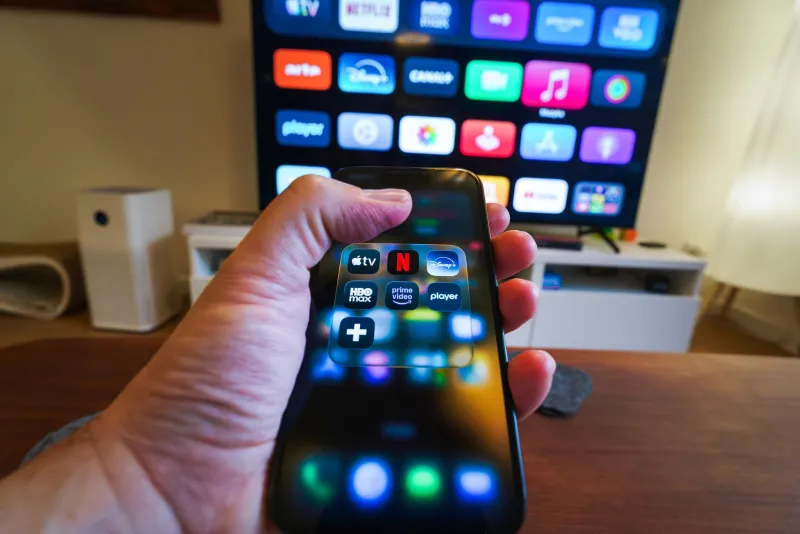
There's a specific moment most of us recognize now. You're scrolling through your feed, minding your own business, and suddenly someone you've followed for years — an actor, a musician, a creator you genuinely trust — casually mentions they've been binge-watching some obscure 2019 Danish thriller. Within 48 hours, that show is trending. Within a week, everyone you know is texting you about it.
That's not a coincidence. That's taste-making at full power, and it's reshaping the entertainment industry in ways that are way more complicated than they first appear.
The Megaphone Has a New Owner
For most of the 20th century, cultural gatekeeping lived inside institutions — studios, TV networks, newspaper critics, radio DJs. If they said something was worth your time, audiences largely believed them. The machine was slow but predictable.
Then the internet happened, social media happened, and suddenly the most trusted voice in entertainment wasn't a critic at the New York Times — it was a person you felt like you actually knew.
That shift matters enormously. When a beloved entertainer recommends something, it doesn't feel like a press release or a paid placement (even when it occasionally is). It feels personal. It feels like a friend pulling you aside at a party and saying, you have to see this. That emotional texture is incredibly powerful, and the platforms know it.
Streaming algorithms don't just track what you watch — they track what the people you engage with are watching. When a high-profile creator drives a surge of interest toward a specific title, those platforms register the spike almost immediately. Suddenly that buried gem is appearing in recommendation rows it never would have reached organically. One person's enthusiasm becomes a systemic nudge for millions of users who never even saw the original post.
Case in Point: The Celebrity Endorsement That Broke Netflix
Remember when Reese Witherspoon's book club became, almost overnight, a more reliable predictor of bestseller status than most traditional literary prizes? The same dynamic has migrated fully into screen entertainment. When Witherspoon's production company, Hello Sunshine, signals interest in a story — even before a project is greenlit — the source material spikes in visibility across every platform simultaneously.
Or think about what happens when a musician with a massive, devoted fanbase mentions a film in an interview. Taylor Swift casually referencing a movie during an awards season press run has a measurable, documented effect on streaming numbers. Studios have started factoring in these kinds of organic endorsements when plotting release strategies, specifically because the data is undeniable.
Oprah's influence on book sales was so well-documented it earned its own term — the Oprah Effect — decades ago. What we're living through now is that same phenomenon, but faster, more fragmented, and operating across a dozen different content formats simultaneously.
When the Creator Pivots, the Audience Follows
It's not just recommendations. Sometimes the shift happens when an entertainer makes a bold creative choice that their audience didn't see coming — and the audience decides to go along for the ride.
When Donald Glover (Childish Gambino) dropped Atlanta on FX, a lot of casual fans who knew him primarily from Community or his music suddenly found themselves deep in one of the most critically praised shows of the decade. His existing fanbase followed their curiosity about him directly into a genre — surrealist Southern drama — they might never have sought out on their own. The show's audience grew partly because people trusted Glover's creative instincts before they trusted the premise.
That kind of brand loyalty is a relatively new entertainment phenomenon. Audiences used to follow genres or franchises. Increasingly, they follow people. When that person goes somewhere unexpected, a significant chunk of their audience goes too — and discovers something they didn't know they needed.
The Algorithm Is Always Watching
Here's where it gets a little murky, though. Not all of this taste-making is as organic as it looks.
Streaming platforms have become increasingly sophisticated about identifying cultural influencers and quietly amplifying content those figures engage with. Some of this happens through formal partnerships — paid promotional deals that aren't always disclosed as clearly as they should be. Some of it is purely algorithmic, a feedback loop that rewards the content getting talked about by the people the platform has identified as high-value engagers.
The result is a system where it can be genuinely difficult to tell whether you're discovering something because it's great, because someone you admire loves it, or because a platform decided you should see it and engineered the conditions to make that happen. Often, all three things are true at once.
That doesn't make the discovery fake. You might still fall completely in love with that Danish thriller. But it's worth being a little clear-eyed about the machinery operating underneath what feels like a spontaneous cultural moment.
Genuine Discovery vs. Manufactured Buzz
The honest answer is that the line between the two has never been blurrier — and that's actually fine, as long as you're paying attention.
The best taste-makers aren't just megaphones for whatever they're being paid to promote. They have genuine, documented histories of enthusiasm that their audiences can verify. When someone who has consistently championed weird, specific, underdog content suddenly gets excited about something, that track record gives their endorsement real weight. The trust was earned over time.
The risk comes when the entertainment industry mistakes the mechanism of taste-making for the substance of it. Throwing money at influencers to hype mediocre content doesn't create genuine cultural momentum — it just creates a brief algorithmic spike that fades the moment real audiences show up and find the thing underwhelming.
The shows and films that actually benefit from this kind of endorsement tend to be the ones that deserved more attention anyway. The taste-maker just opens the door. The content still has to deliver once people walk through it.
What This Means for You
If you're someone who takes entertainment seriously — and if you're here at The Andy Zone, you probably do — the takeaway is pretty simple. Pay attention to who you're letting shape your watch list, and ask yourself whether you actually trust their taste or just their fame.
The best version of this phenomenon is genuinely exciting. It means great, underseen work can find its audience faster than ever before. A show that might have quietly disappeared ten years ago now has a real shot at breaking through because the right person happened to mention it.
The worst version is just a more sophisticated form of advertising dressed up to look like a recommendation.
Knowing the difference is half the battle — and honestly, it makes the genuine discoveries feel even better when you find them.